
Why Cypress Trees Are the True Architects of Louisiana’s Swamps
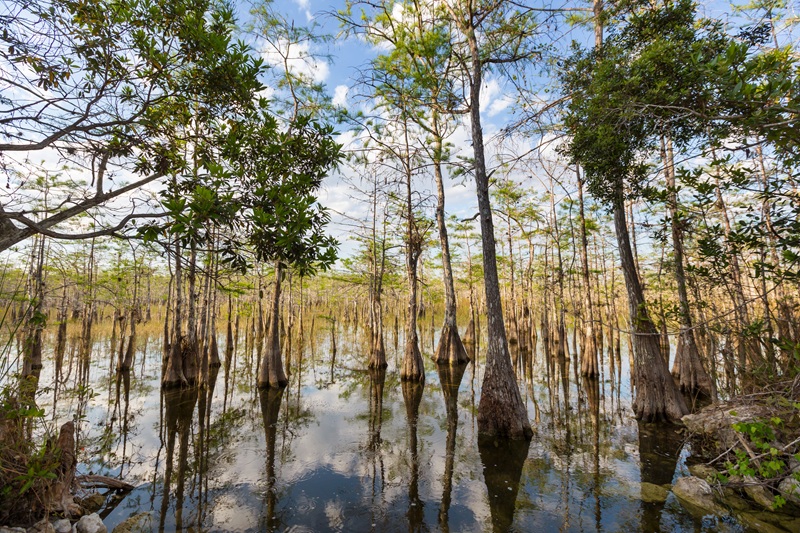
Living and working around New Orleans means spending plenty of time traveling through one of the most recognizable landscapes in America. Visitors usually notice the alligators first. Then the Spanish moss. Before long, cameras start coming out, and someone inevitably says, “This looks exactly like Louisiana.”
They’re right.
But if there’s one feature that truly defines the Louisiana swamp, it’s the cypress tree.
After years of traveling throughout southeast Louisiana and introducing visitors to everything this region has to offer, I’ve come to appreciate just how important these remarkable trees really are. They don’t simply grow in the swamp—they help create it.
Cypress trees have become so connected to Louisiana that it’s hard to imagine one without the other. Their towering trunks rise from the water, their branches stretch across bayous, and their reflections create some of the most photographed scenery anywhere along the Gulf Coast.
Yet their beauty is only part of the story.
One of the first things visitors usually ask about is the strange collection of wooden bumps surrounding the trees.
Those are cypress knees.
They certainly spark plenty of conversation.
Scientists continue studying exactly why cypress trees produce them, but they’re generally believed to help stabilize the tree and possibly assist with oxygen exchange in flooded environments.
Whatever their exact purpose may be, they definitely add character to the swamp.
They also provide a gentle reminder to watch every step when walking through wetland areas.
Another remarkable characteristic of cypress trees is their ability to thrive where many other trees simply couldn’t survive.
- Standing water.
- Flooded soil.
- Changing water levels.
- Seasonal storms.
Conditions that would create problems for many species are simply part of everyday life for a bald cypress.
That resilience has allowed cypress forests to become one of Louisiana’s defining natural landscapes.
One thing I always enjoy pointing out is that a swamp is far more alive than it first appears.
At first glance, the water may seem perfectly still.
Look a little closer.
- Fish move beneath the surface.
- Birds call from high in the branches.
- Turtles sun themselves on old logs.
- Dragonflies dart across the water.
An occasional alligator quietly reminds everyone who’s been there much longer.
Cypress trees provide habitat for nearly all of it.
- Their branches support nesting birds.
- Their roots create shelter for fish.
- Their trunks become resting places for reptiles.
- Their surrounding wetlands support countless insects, amphibians, and mammals that make the ecosystem function.
Without cypress forests, Louisiana’s swamps would look—and behave—very differently.
Another feature visitors quickly notice is the Spanish moss hanging from nearly every mature tree. Despite popular belief, Spanish moss isn’t harming the cypress.
It simply uses the branches as a place to grow while collecting moisture and nutrients from the surrounding air.
Together, the moss and the cypress create one of the most recognizable images in the South.
It’s almost impossible to photograph one without the other. Seasonal changes also surprise many first-time visitors.
Unlike pine trees, bald cypress trees aren’t evergreen.
Every fall, the soft green needles gradually turn shades of orange, rust, and bronze before dropping into the water below.
The swamp takes on an entirely different appearance during autumn.
Then spring arrives, and fresh green growth returns once again.
It’s a cycle that has repeated itself for centuries.
The wood itself also has an interesting history.
For generations, cypress lumber was prized because of its natural resistance to insects and decay. Homes, docks, bridges, boats, and countless other structures throughout Louisiana were built using cypress harvested from the state’s wetlands.
Much of the old-growth forest disappeared during heavy logging operations more than a century ago, making today’s remaining cypress forests even more valuable from both historical and environmental perspectives.
Fortunately, conservation efforts have helped protect many of these remarkable ecosystems.
- Healthy cypress swamps contribute far more than beautiful scenery.
- Their root systems help stabilize soil.
- Wetlands filter water naturally.
- Wildlife depends on these habitats.
- Floodwaters can be slowed and absorbed by healthy wetland systems.
These forests perform important ecological functions every day without asking for much attention.
Of course, Mother Nature occasionally reminds everyone who’s really in charge.
Louisiana hurricanes have tested cypress forests for generations.
While no tree is invincible, mature cypress trees often demonstrate remarkable resilience during major storms. Their broad root systems and flexible trunks help many survive conditions that would seriously damage less adaptable species.
Another reason I enjoy talking about cypress trees is the sense of history they represent.
Many mature specimens standing today were already growing long before automobiles, interstate highways, or modern cities existed.
Some have quietly witnessed hundreds of years of Louisiana history while continuing to grow one season at a time.
That’s a pretty remarkable perspective.
For visitors exploring Louisiana, seeing a cypress swamp often becomes one of the most memorable parts of the trip.
Photographs rarely capture the complete experience.
- The stillness.
- The reflections on the water.
- The sounds of birds echoing through the trees.
- The occasional splash that causes everyone in the boat to suddenly pay much closer attention.
It’s an environment unlike almost anywhere else in the country.
One thing I appreciate most is that no two swamp tours ever feel exactly alike.
- Water levels change.
- Wildlife appears in different places.
- Lighting changes throughout the day.
- Morning fog creates one atmosphere.
- Sunset creates another.
The cypress trees remain the constant backdrop while the swamp itself continually tells a different story.
Louisiana has countless natural treasures, but few have become as recognizable as its cypress forests. These remarkable trees have shaped the landscape for generations while providing habitat, protecting wetlands, and creating scenery that immediately tells visitors exactly where they are.
Long after the tour boats head back to the dock and the cameras are put away, the cypress trees remain exactly where they’ve always been—standing quietly in the water, patiently waiting for the next sunrise over the Louisiana swamp.