
What to Know About Seasonal Weather During Swamp Tours
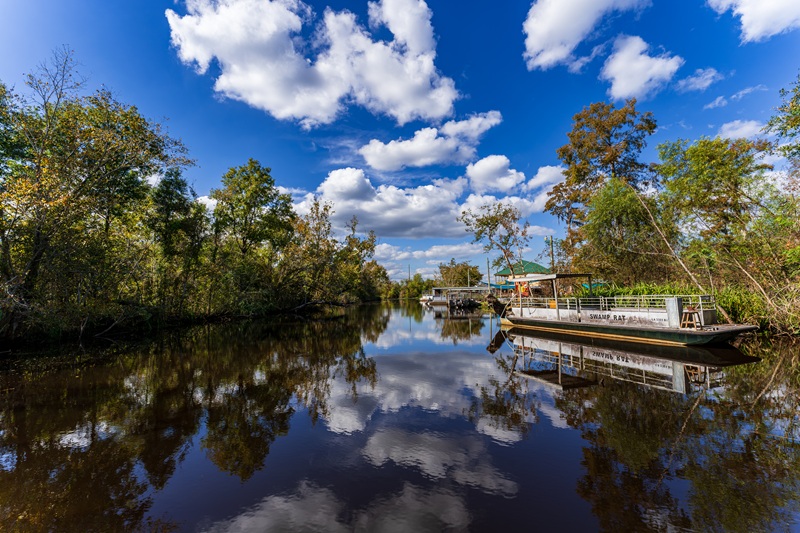
One thing about Louisiana weather is certain: it does not particularly care what the forecast said yesterday.
Around New Orleans, sunshine can turn into a rain shower and then back into sunshine before lunch. Winter can occasionally feel like spring, and a warm fall afternoon can make the calendar seem confused.
That changing weather is also part of experiencing Louisiana’s swamps.
As the owner of Louisiana Tour Company in New Orleans, I’ve seen how dramatically the wetlands can change from season to season. Temperature, rainfall, sunlight and humidity affect everything from vegetation to wildlife activity.
A swamp tour in January can be completely different from a swamp tour in July, even when the boat travels through the same area.
Understanding those differences can help visitors prepare for the experience.
Spring Brings the Swamp Back to Life
Spring is an active time in Louisiana wetlands.
Temperatures begin climbing, vegetation becomes greener and wildlife activity generally increases as warmer conditions return.
Cold-blooded animals such as alligators depend on outside temperatures to regulate body temperature, so warmer days can influence how active they become.
Bird activity also changes throughout the season, and plants begin growing rapidly.
Spring temperatures can still be unpredictable.
A morning may start cool enough for a light jacket and become warm enough for short sleeves by afternoon. Layers are useful because Louisiana weather sometimes likes to cover several seasons before dinner.
Spring thunderstorms are another possibility.
Checking the forecast before heading out can provide some idea of what the day may bring, although Louisiana weather occasionally treats forecasts as friendly suggestions.
Summer Means Heat
There is no delicate way to put this.
Louisiana summers are hot.
They are also humid.
Sometimes very humid.
Visitors arriving from drier parts of the country occasionally discover that 90 degrees in Louisiana feels different from 90 degrees somewhere else.
Humidity is the reason.
During summer, lightweight clothing makes sense. Sun protection becomes important, and hydration deserves attention during any outdoor activity.
Morning conditions may be somewhat different from afternoon conditions because temperatures generally rise throughout the day.
Wildlife activity can also vary according to temperature and time.
Afternoon Rain Is Common
Summer also brings frequent thunderstorms.
A morning can begin with blue skies and sunshine while an afternoon shower develops several hours later.
That does not necessarily mean the entire day will be rainy.
South Louisiana thunderstorms can be surprisingly localized. Rain may be falling heavily in one area while another location several miles away remains completely dry.
Some showers also move through relatively quickly.
The important distinction is between ordinary rain and hazardous weather.
Lightning, strong winds and severe thunderstorms are different situations from a passing shower and may affect outdoor activities.
Weather conditions should always be evaluated according to what is actually happening in the area.
Fall Takes Its Time Arriving
In many parts of the country, September means sweaters and falling leaves.
Louisiana did not receive that memo.
September can still feel very much like summer. Heat and humidity may continue well into early fall before cooler weather begins appearing more consistently.
As the season progresses, mornings can become cooler and humidity may decrease.
Those changes can make fall swamp conditions noticeably different from summer.
Wildlife behavior also responds to changing temperatures.
Visitors traveling later in fall may want to bring an extra layer, particularly for morning excursions.
Winter Is a Different Kind of Swamp Experience
Louisiana winters are generally mild compared with much of the country, but that does not mean every winter day is warm.
Cold fronts can push temperatures down considerably.
Then several days later, temperatures may climb again.
That is fairly normal around New Orleans.
Boat travel can also make cool temperatures feel colder because of moving air. A jacket that seemed unnecessary while standing in the parking lot may suddenly become considerably more interesting once the boat starts moving.
Winter wildlife activity can differ from warmer months.
Alligators and other reptiles generally become less active during colder conditions. That does not mean the swamp becomes empty.
Birds and other animals remain part of the environment, and winter vegetation provides a different view of the landscape.
Wildlife Does Not Keep Office Hours
One of the most important things to understand about swamp tours is that wildlife is wild.
Animals do not receive the tour schedule every morning.
Temperature, sunlight, water levels, rainfall and time of day can all affect activity.
An alligator may be visible in one location on Monday and nowhere around on Tuesday.
Bird activity can change throughout the year.
Other animals may appear unexpectedly.
That unpredictability is part of experiencing a natural environment rather than visiting an exhibit.
Hurricane Season Deserves Attention
Travelers visiting Louisiana during hurricane season should pay attention to tropical weather.
A tropical system does not need to make landfall directly in New Orleans to influence regional conditions.
Rain, wind and water conditions can be affected by systems elsewhere in the Gulf.
Official forecasts become particularly important when tropical activity develops.
Travel plans should remain flexible whenever significant weather threatens the region.
Dress for the Season, Not the Photograph
Preparing for a swamp tour does not require specialized expedition gear.
Practical clothing usually works.
During warmer months, lightweight clothing, sunscreen and hydration are sensible considerations. Cooler months may require layers or a jacket.
Rain protection can also be useful when showers are possible.
Comfortable footwear is generally a better idea than choosing shoes based entirely on how impressive they will look in vacation pictures.
The alligators have never expressed much interest in footwear anyway.
There Really Isn’t One Swamp Season
Every season changes the Louisiana wetlands.
- Spring brings increasing activity and new growth.
- Summer brings heat, humidity and afternoon storms.
- Fall gradually introduces cooler conditions.
- Winter changes vegetation and wildlife patterns again.
That means there really is no single version of a Louisiana swamp tour.
At Louisiana Tour Company, that seasonal variation is part of what makes the wetlands interesting. Nature determines much of what happens on any particular day.
- Checking the forecast helps.
- Dressing appropriately helps.
- Keeping expectations flexible helps.
And if the Louisiana weather changes unexpectedly?
Around here, that just means the weather is working normally.