
Understanding Group Tour Planning and Execution
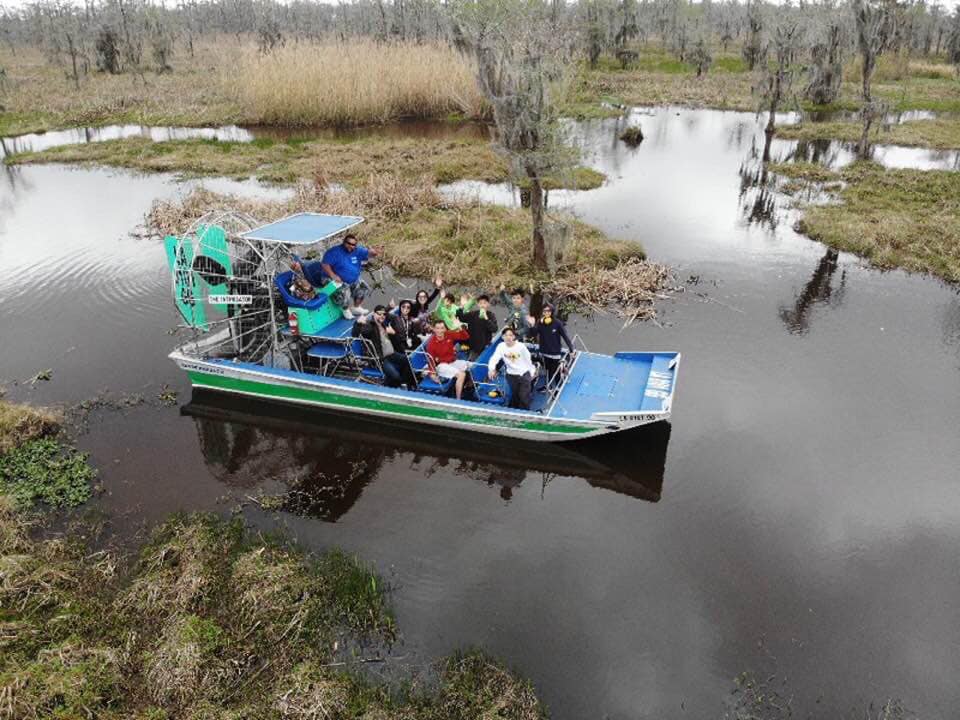
A group tour might look simple from the outside… a bus, a few stops, people getting on and off, maybe a guide talking along the way. From the inside, it is more like a moving puzzle that has to stay together from start to finish.
The difference between a smooth tour and a stressful one usually comes down to planning. Not just where the group is going, but how everything connects along the way.
It starts with one basic question… what is the tour actually about?
Some tours focus on history. Others lean into culture, food, or entertainment. That decision shapes everything that comes after it. The stops, the timing, even the pace of the tour all depend on that first choice.
Once the purpose is clear, the next step is figuring out how many people are coming along for the ride.
Group size changes everything.
A small group can move quickly, adjust on the fly, and fit into tighter spaces. A large group needs structure. More time to load, more space to move, and a plan that keeps everyone together. Without that structure, things can start to drift… and once a group drifts, it is not always easy to pull it back together.
Then comes the route.
The route is not just about hitting a list of locations. It is about how those locations connect. Distance matters, but so does flow. A good route feels natural. It moves from one stop to the next without doubling back or getting stuck in places that slow everything down.
In a city like New Orleans, that part gets interesting.
Some streets move well. Others… not so much. Add in events, construction, and everyday traffic, and suddenly timing becomes just as important as the route itself.
Timing is where planning really shows its value.
Every stop needs a window. Not just for the visit, but for getting everyone there and back on the vehicle. A few extra minutes at one stop might not seem like much, but it adds up. By the time the last stop rolls around, those minutes can turn into a noticeable delay.
That is why timing has to be realistic.
It is not about rushing people through an experience. It is about giving enough time to enjoy each stop while still keeping the tour moving. Finding that balance is part of the process.
Transportation plays its role too.
The vehicle has to match the group. Too small, and it gets crowded. Too large, and it becomes harder to maneuver in certain areas. Access points matter as well. Not every location has an easy place to load and unload a group.
That is something people usually do not think about… until the bus is trying to fit into a space that was clearly not designed for it.
Communication ties everything together.
Before the tour starts, everyone needs to know where to be, when to be there, and what to expect. During the tour, clear direction keeps things moving. Without it, small delays can turn into larger ones.
It does not take much. A missed instruction, a late arrival, or someone wandering off a little too far can slow things down. Keeping everyone informed helps avoid those moments.
Then comes the actual execution.
This is where the plan meets reality.
No matter how well a tour is planned, something unexpected usually shows up. Traffic might slow down. Weather might change. A location might take longer than expected. Flexibility becomes part of the job.
Adjustments happen in real time. Sometimes that means shifting timing slightly. Other times it means reworking the order of stops. The goal is to keep the overall experience intact, even if small changes are needed along the way.
Group management becomes a constant part of the process.
Moving people from one place to another sounds simple… until there are twenty, thirty, or more individuals involved. Keeping everyone together, making sure no one gets left behind, and maintaining a steady pace takes attention.
Breaks help with that.
Short pauses between stops give people a chance to regroup. It keeps energy levels up and makes the tour feel less rushed. It also gives a little breathing room in the schedule, which can come in handy if things start running slightly behind.
Safety is always part of the equation.
Navigating busy streets, getting on and off vehicles, and moving through crowded areas all require awareness. Planning takes those factors into account to keep everything running smoothly.
And then, eventually, the tour comes full circle.
Drop-offs are the final step, but they are just as important as pickups. Making sure everyone gets where they need to go, on time and without confusion, wraps everything up the right way.
At the end of the day, a group tour is more than a list of stops.
It is a coordinated effort where timing, routing, communication, and flexibility all work together. When everything lines up, it feels easy. The group moves smoothly, the experience flows, and the day unfolds the way it was meant to.
When it does not… well, that is when the real lessons happen.
Either way, every tour adds a little more experience to the next one. And over time, that experience is what turns a plan into something that works consistently… even when the unexpected decides to join the ride.