
Swamps and Marshes… How Everything Works Together Out There
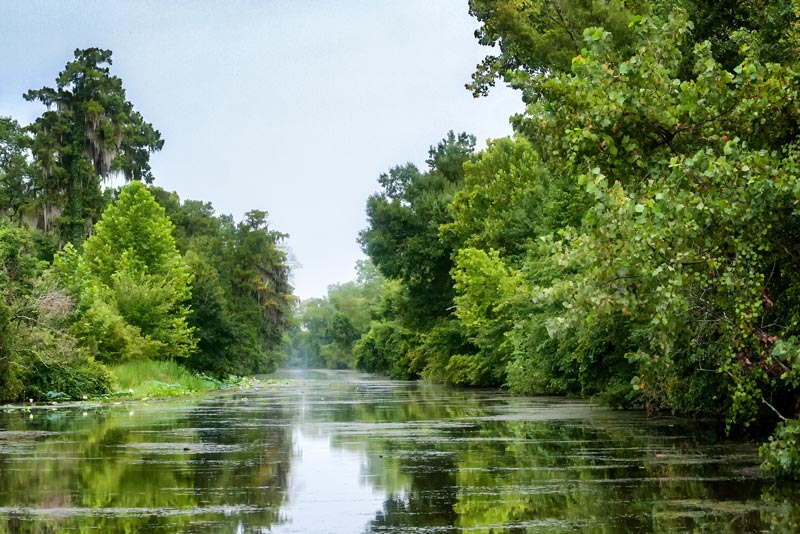
Spend enough time in a Louisiana swamp, and something becomes pretty clear.
Nothing out there is random.
It might look wild, a little chaotic, maybe even a little mysterious at first glance… but there’s a system to it. Every plant, every animal, every inch of water has a role, and they all work together whether anyone’s watching or not.
That’s what makes swamp and marsh ecosystems so interesting.
They’re not just bodies of water with trees sticking out of them. They’re living systems that run on balance, movement, and timing.
It all starts with water.
In these environments, water isn’t just sitting still. It’s constantly moving, rising, falling, shifting around depending on rainfall, tides, and the time of year. That movement spreads nutrients across the landscape, feeding plant life and keeping everything active.
Without that flow, things would slow down pretty quickly.
Think of it like stirring a pot. If nothing moves, everything settles in one place. But once things start moving, everything gets distributed where it needs to go.
Plants are the foundation of everything out there.
In swamps, trees like cypress and tupelo have figured out how to live with their feet underwater most of the time. They’ve adapted to conditions that would shut down most other plants. In marshes, grasses and reeds take over, forming thick layers that cover the ground.
Those plants aren’t just sitting there looking pretty.
They hold the soil together, reduce erosion, and provide shelter for just about everything that lives in that environment. They also serve as a food source, either directly or indirectly, for a long list of species.
And then there’s what happens when those plants break down.
Dead plant material doesn’t go to waste. It becomes fuel for the ecosystem. Microorganisms break it down, small creatures feed on that, and larger animals feed on them. It’s a cycle that keeps things moving from one level to the next.
Nothing gets wasted out there.
Wildlife fits right into that system.
Fish, birds, reptiles, mammals… they all depend on the balance created by water and plant life. Some use the wetlands as a place to live year-round, others show up at certain times for breeding or feeding.
Marshes, in particular, act like a nursery.
Young fish and other species grow in those protected waters where there’s plenty of food and fewer threats. It’s like a training ground before heading out into bigger, more open environments.
Swamps and marshes also do something that doesn’t get talked about enough… they clean water.
As water moves through these environments, plants and soil trap sediments and absorb certain pollutants. It’s not something that gets noticed day to day, but it plays a big role in maintaining water quality across larger areas.
Then there’s the soil itself.
Wetland soil isn’t like dry land. It’s saturated, rich in organic material, and constantly changing. That kind of soil supports the plant life that defines these ecosystems, but it also requires those plants to be built differently.
That’s why you see root systems sticking up out of the water in some places. Those roots are helping the plants breathe in conditions where oxygen is limited.
Flooding is part of the system too.
In most places, flooding is a problem. In a swamp or marsh, it’s part of the routine. Water levels rise, nutrients get replenished, and the cycle continues. It might look dramatic from the outside, but it’s normal for that environment.
It’s actually necessary.
Marshes also serve as a kind of buffer.
When storms roll through, those wetlands absorb energy. They slow things down before it reaches more developed areas. The vegetation and water work together to reduce impact, which makes a difference during strong weather events.
It’s like nature putting up its own defense system.
Another thing happening out there is carbon storage.
All that plant material that grows, dies, and settles into the soil doesn’t just disappear. It gets stored. Over time, that builds up and helps regulate carbon levels in the environment.
Again, not something anyone sees on a daily basis… but it’s happening.
Of course, like any system, swamps and marshes depend on balance.
Changes in water flow, development, or pollution can throw things off. When that happens, the effects don’t stay isolated. They ripple through the entire system.
That’s why maintaining those environments matters.
It’s not about freezing them in time. It’s about keeping the natural processes working the way they’re supposed to.
The interesting part is that all of this is happening whether anyone notices or not.
From the outside, a swamp might look like a quiet stretch of water with some trees and the occasional alligator minding its business. Underneath that surface, there’s constant activity, constant interaction, and a system that’s been running for a long time.
Everything has a role.
Water moves nutrients. Plants hold the ground together. Wildlife feeds, grows, and moves through the system. And the whole thing keeps going, day after day, season after season.
It might not follow a schedule anyone can see… but it works.
And once that’s understood, the swamp starts to look a little less mysterious… and a lot more like a well-run operation.