
The Role of Historical Narratives in City Tours
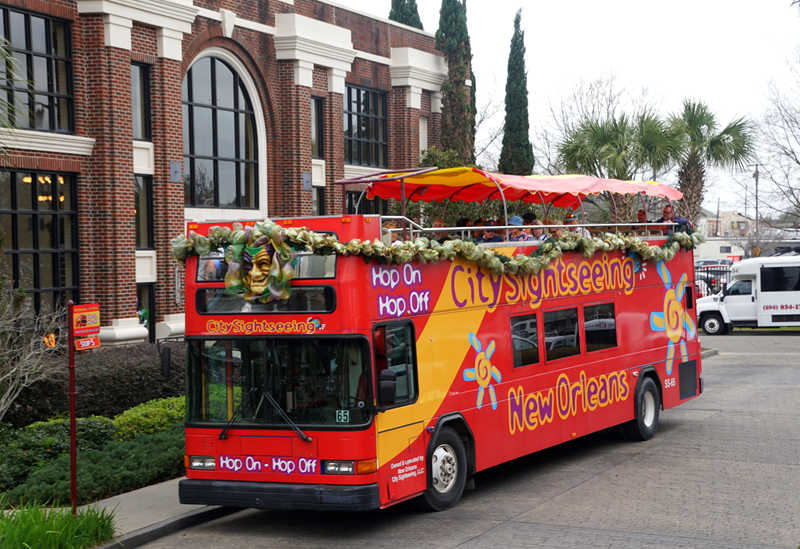
A city tour without a story is just a walk. There may be buildings, streets, and landmarks, but without context, it all starts to blend together after a while. A good historical narrative changes that completely. It turns a sidewalk into a timeline and a building into a chapter of something much bigger.
In a place like New Orleans, that difference becomes obvious pretty quickly. History here is not tucked away in a museum. It is everywhere… in the architecture, the street names, the music drifting out of a doorway, even in the way certain corners feel different from others. A narrative helps make sense of all that. Without it, the experience can feel like flipping through a book with all the pages out of order.
A strong narrative gives structure to a tour. Instead of jumping from one random fact to another, the story follows a path. One event leads into the next. One location connects to another. It becomes easier to understand how the city developed over time. That structure also helps people stay engaged. When there is a story unfolding, attention tends to follow it naturally.
Different tours lean into different types of storytelling. Some focus on architecture, pointing out how buildings were designed and why they look the way they do. Others center on culture… music, food, and traditions that have shaped daily life for generations. In New Orleans, those lines tend to blur. Architecture, culture, and history are all tied together, and the narrative reflects that.
Personal stories bring everything to life. Dates and events matter, but they only go so far on their own. When a story includes the people who lived through those moments, it becomes something more relatable. A house is no longer just a structure. It becomes a place where someone worked, struggled, celebrated, or changed the course of their life. That human element makes a lasting impression.
Accuracy is always important. Historical narratives rely on documented events, records, and research. At the same time, the way those facts are presented makes a difference. Information needs to be clear and easy to follow. Too much detail can overwhelm. Too little can leave gaps. Finding the right balance keeps the story both informative and engaging.
There is also a responsibility that comes with telling these stories. Cities have complicated histories. Not every chapter is easy to talk about, but those parts still matter. A complete narrative includes both the highlights and the more difficult moments. Leaving pieces out might make things simpler, but it does not make them more accurate.
The setting plays a role in how the story is experienced. Walking through a historic district while hearing about what happened there creates a connection that is hard to replicate any other way. Seeing the buildings, the streets, and the layout of the area helps anchor the narrative in something real. It is one thing to hear about history… it is another to stand where it happened.
Pacing is another piece of the puzzle. A tour is not just about what is said, but when it is said. Each stop becomes a natural place to pause, explain, and then move forward. Too fast, and the story feels rushed. Too slow, and attention starts to drift. A steady rhythm keeps everything moving while giving people time to take it in.
Modern tools have added new ways to support storytelling. Audio guides, mobile apps, and digital resources can provide additional layers of information. They are useful, especially for those who want to explore at their own pace. Still, the core of a good tour comes back to the narrative itself. Technology can enhance the experience, but it cannot replace a well-told story.
Audience matters too. Some visitors are hearing these stories for the first time. Others may already know parts of the history and want a deeper look. Adjusting the narrative to fit different levels of familiarity helps keep everyone engaged. The goal is not to overload anyone with information, but to give just enough to create a clear and memorable experience.
There is also something about shared storytelling that adds to the atmosphere. A group moving through the same space, hearing the same story at the same time, creates a kind of collective experience. Reactions, questions, and even the occasional laugh become part of the tour. It is not just about the information… it is about how people experience it together.
At the end of the day, historical narratives are what turn a city tour into something meaningful. They connect the past to the present in a way that is easy to follow and hard to forget. Without them, a tour might still show interesting places, but it would miss the deeper connection that makes those places matter.
And in a city where history tends to show up whether invited or not, having a good story to go with it just makes the whole experience a lot more interesting.