Why Swamp Tours Remain Popular With New Orleans Visitors
When people think about New Orleans, the first things that usually come to mind are music, food, Mardi Gras, the French Quarter, and somebody carrying a drink larger than basic science should probably allow.
But after visitors spend a little time in the city, many start wanting to see something different. They want to experience the side of Louisiana that exists beyond Bourbon Street and the historic buildings. That is usually when swamp tours move to the top of the list.
There is something about Louisiana swamps that sticks with people.
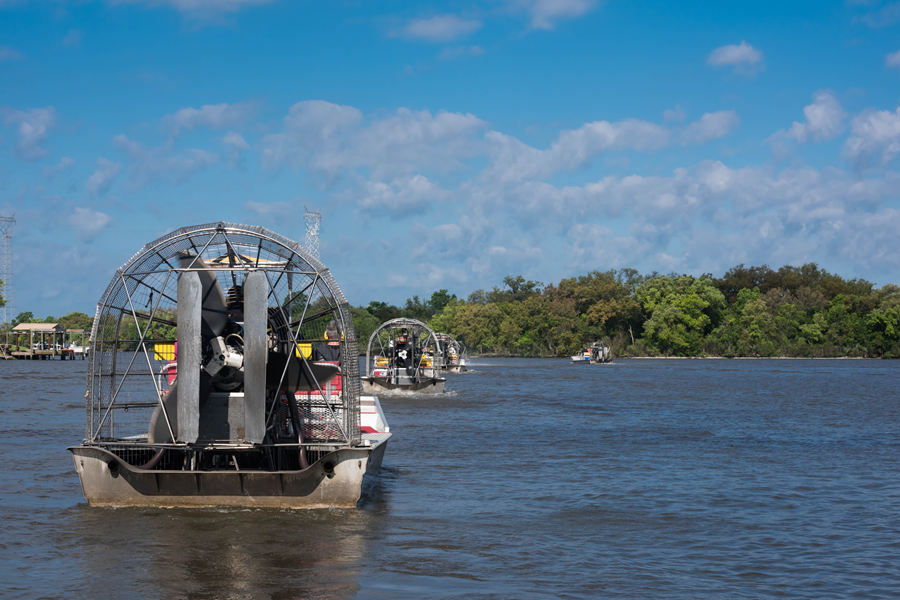
Maybe it is the scenery. Maybe it is the wildlife. Maybe it is the fact that nowhere else in the country really looks quite like this place. The wetlands surrounding New Orleans have a completely different atmosphere than most visitors expect. One minute people are walking through crowded city streets, and the next minute they are gliding through quiet bayous lined with cypress trees and Spanish moss while an alligator watches from the water like it owns the place.
Which, honestly, it probably does.
Swamp tours remain popular because they give visitors a chance to experience a part of Louisiana that feels real, natural, and connected to the culture of the region. The swamps are not just tourist attractions. They are part of everyday life throughout South Louisiana. Fishing, trapping, boating, wildlife, and life along the bayou have shaped this region for generations.
A lot of visitors are surprised by how peaceful the swamps can feel.
People often expect something loud or chaotic because New Orleans itself has such a strong personality. Then they get out on the water and realize the swamp has a completely different rhythm. The air changes. The sounds change. The pace slows down. Sometimes the loudest thing around is a bird overhead or somebody whispering, “Was that an alligator?”
Usually it was.
Wildlife is definitely one of the biggest reasons people book swamp tours. Visitors come hoping to see alligators, turtles, birds, snakes, raccoons, wild hogs, and other animals that live throughout Louisiana wetlands. Depending on the season and weather conditions, some days the wildlife practically puts on a show.
And yes, people get very excited the first time they see an alligator in the wild.
No matter how many movies people have watched, there is still something different about seeing one floating silently beside the boat while looking completely unbothered by everybody’s camera phones.
The scenery is another major reason swamp tours stay popular year after year. Louisiana wetlands have a look that visitors remember long after the trip ends. Cypress trees rising out of the water, hanging Spanish moss, narrow bayous, reflections across calm water, and winding marsh channels all create a landscape that feels unique to this region.
Photographers love it for obvious reasons.
Even people who normally take blurry vacation photos of sandwiches suddenly start acting like nature documentary filmmakers once the swamp scenery kicks in.
The tours also help visitors understand how important wetlands are to Louisiana itself. A lot of people do not realize how much of South Louisiana depends on coastal marshes and swamps for flood protection, wildlife habitats, fishing industries, and environmental balance.
During tours, visitors often learn about coastal erosion, hurricane impacts, wetland loss, and how much the landscape has changed over time. Seeing the wetlands in person gives people a much better understanding of why preserving these areas matters.
The swamps are beautiful, but they are also working ecosystems.
Another thing that keeps swamp tours popular is the storytelling. Louisiana has always been a place full of stories. Fishing camp stories, hurricane stories, wildlife encounters, Cajun traditions, local legends, family histories, and life along the bayou all become part of the experience.
And down here, people know how to tell a story.
Sometimes visitors come expecting a quiet boat ride and leave hearing about family fishing traditions, hurricane survival, old trapping routes, local wildlife behavior, and enough Louisiana history to keep them talking all the way back to the hotel.
Weather also changes the experience constantly. No two tours are exactly alike because the swamp itself changes every day. Water levels shift. Wildlife activity changes. Bird migration changes the scenery. Morning tours feel different than sunset tours. Some days are calm and quiet. Other days feel alive with movement.
Even the light changes everything.
Early mornings in the swamp can feel almost surreal with fog drifting across the water and sunlight filtering through the trees. Sunset tours create a completely different atmosphere where the sky reflects across the bayou and everything slows down for the evening.
Of course, South Louisiana weather occasionally likes to remind everybody who is really in charge. Rainstorms can appear quickly, humidity can hit like a warm wet blanket, and mosquitoes sometimes behave like tiny flying security guards protecting the marsh.
That is just part of the experience around here.
Another reason visitors enjoy swamp tours is because it gives them a break from crowded tourism areas. After spending time around busy streets, festivals, bars, restaurants, and packed sidewalks, getting out into the wetlands feels different. Quieter. Slower. More connected to nature.
For families, swamp tours also work well because they appeal to different age groups at the same time. Kids love spotting wildlife. Adults enjoy the scenery and history. Grandparents usually enjoy seeing everyone put their phones down for a little while and actually look around.
At least until the alligator photos start.
One thing people often remember most is how close the swamps are to New Orleans itself. Visitors are sometimes surprised that within a relatively short drive from downtown, the entire environment changes completely. The city fades away and suddenly it feels like stepping into another world.
That contrast is part of what makes Louisiana special.
The culture, the wetlands, the wildlife, the waterways, and the history all connect together here in a way that visitors do not always expect until they see it themselves.
At the end of the day, swamp tours remain popular because they offer something authentic. Visitors are not just looking at exhibits or reading plaques on a wall. They are experiencing the actual Louisiana wetlands firsthand.
And somewhere along the way, most people realize the swamp is not just scenery.
It is part of the soul of South Louisiana.