Why Swamps Matter Beyond the Adventure
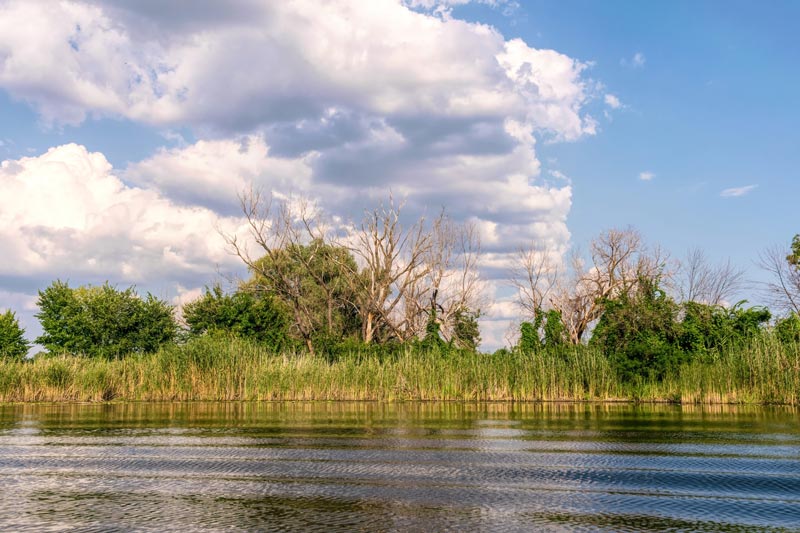
Most people meet a swamp for the first time expecting an adventure. Airboats, alligators, birds, and a little mystery usually top the list. That makes sense. Swamps are dramatic. They look like something out of a movie. But after spending years moving through these wetlands every day, it becomes obvious that the real work of a swamp happens quietly, without applause, and definitely without a souvenir stand.
Swamps are not just scenery. They are functioning systems that do a surprising amount of heavy lifting for coastal regions. Long before anyone thought about flood control infrastructure or water treatment plants, wetlands were already handling those jobs naturally. They still are.
One of the most important roles swamps play is flood control. Wetlands act like giant sponges. When heavy rain hits, water spreads out and slows down instead of rushing straight toward neighborhoods. That delay matters. It reduces flood heights, lowers water speed, and gives drainage systems time to catch up. Without swamps, stormwater moves fast and tends to arrive uninvited.
Swamps also protect land from erosion. The vegetation may look wild and unorganized, but those root systems are doing serious work. They hold soil in place, absorb wave energy, and reduce shoreline loss. In a state where land disappears faster than most people realize, that stability matters more than ever.
Water quality is another quiet service swamps provide. As water flows through wetland areas, sediment settles out and pollutants get filtered by plants and microorganisms. Nutrients that would otherwise overload downstream systems are absorbed and processed naturally. What exits a healthy swamp is often cleaner than what entered it. Not bad for something that gets described as murky.
Wildlife depends on this environment in ways that go far beyond tourism. Birds nest, fish spawn, reptiles regulate populations, and mammals find shelter. These habitats support entire food webs that stretch well beyond wetland boundaries. Remove the swamp, and those systems unravel quickly.
Carbon storage is a newer part of the conversation, but swamps have been handling it quietly for centuries. Wetland plants pull carbon from the atmosphere and store it in vegetation and soils. This slows the release of greenhouse gases and supports climate balance. It’s not flashy, but it’s effective.
Swamps also influence local climate conditions. The constant movement of water and vegetation helps regulate temperature and humidity. That moderating effect may not show up on a weather app, but it’s felt across the region. Coastal climates depend on that balance more than most people realize.
Cultural value is another layer that often gets overlooked. Swamps shaped how communities moved, worked, and survived long before paved roads showed up. They provided food, transportation routes, and resources. They still carry that history, even if it’s not always obvious at first glance.
Tourism plays an interesting role in all of this. Outdoor exploration gives people a front-row seat to an ecosystem that usually works behind the scenes. Seeing wildlife in its natural environment has a way of changing perspectives. What starts as curiosity often turns into respect once people understand what the swamp actually does.
Of course, human activity hasn’t made things easy for wetlands. Development, pollution, and altered water flow have reduced swamp areas over time. When wetlands disappear, the services they provide disappear too. Flood risk increases. Water quality declines. Wildlife loses habitat. The effects ripple outward.
Restoration efforts aim to reverse some of that damage by reconnecting natural water flow and reintroducing native vegetation. These projects help bring back the functions that healthy wetlands provide. It’s slow work, but it matters.
Education is a big part of protecting these ecosystems. When people understand why swamps exist and how they function, conversations shift. Wetlands stop being viewed as obstacles or oddities and start being recognized as assets. That understanding supports better decisions long term.
Swamps are dynamic. They change with the seasons, respond to storms, and adapt when given the space to do so. They are not static landscapes. They are working systems that require room to function properly.
The adventure side of swamps will always draw attention, and that’s fine. Airboats and wildlife are part of the story. But the bigger story is what happens when nobody is looking. Floodwaters slow down. Pollutants get filtered. Land stays where it belongs. Wildlife thrives.
Swamps don’t ask for recognition. They just keep doing the job. And once that’s understood, it becomes clear that their value goes far beyond the ride.