Why Swamp Tours Are One of the Best Ways to Meet Louisiana’s Native Wildlife
Visitors come to New Orleans for a lot of reasons. Food usually sits near the top of the list. Music is not far behind. History, architecture, festivals, and maybe a little late-night adventure in the French Quarter all tend to make the itinerary.
What many people do not realize before arriving is that another world exists just outside the city.
Drive about thirty minutes away from downtown and the landscape begins to change. Concrete and traffic lights give way to cypress trees, winding bayous, and quiet stretches of water that look like something out of a movie set. That environment is the Louisiana swamp, and it happens to be home to a remarkable collection of wildlife.
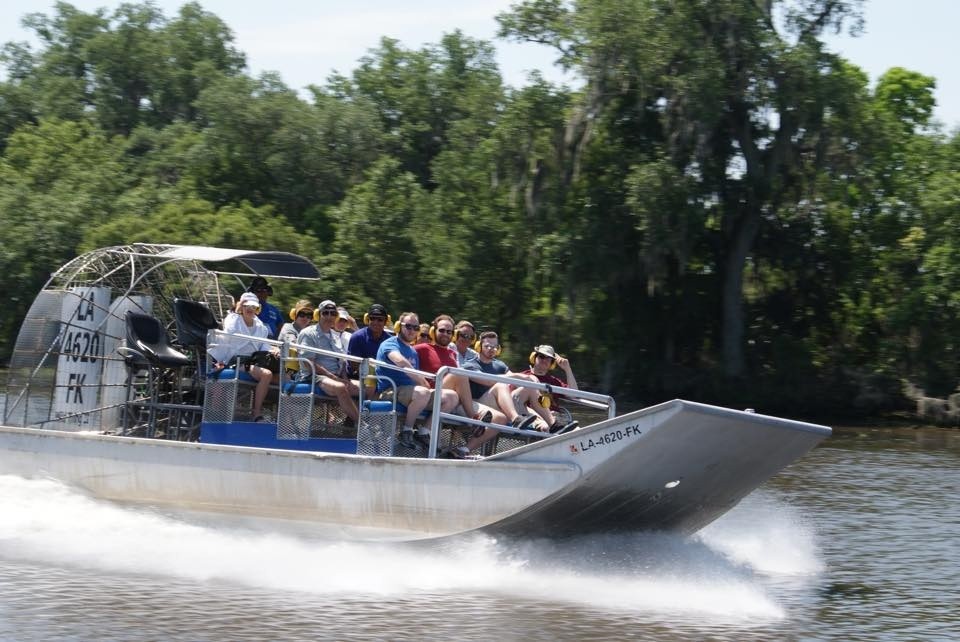
Swamp tours give visitors the chance to experience that environment up close. Instead of reading about wetlands in a travel brochure, guests step onto a boat and move directly into the habitat where many of Louisiana’s native species live.
For many people, the first question asked before a swamp tour even begins is simple.
“Are there really alligators out there?”
The answer is yes. Plenty of them.
The American alligator is probably the most famous resident of Louisiana’s wetlands. These reptiles have lived in the region for millions of years and remain one of the most recognizable animals in the swamp ecosystem.
Seeing an alligator in the wild tends to leave an impression. The experience is very different from looking at one behind glass at a zoo. In the swamp, an alligator rests along the water’s edge, drifts slowly through the bayou, or occasionally decides that the boat deserves a curious look.
Despite the reputation alligators sometimes get in movies, most of them prefer to mind their own business. They spend a lot of time sunbathing on muddy banks or floating quietly in the water with only their eyes visible above the surface.
Alligators are only part of the wildlife story in Louisiana’s swamps.
Bird life is everywhere in these wetlands. Great blue herons, snowy egrets, hawks, owls, and ibis are common sights along the waterways. Many of these birds rely on the shallow waters and thick vegetation of the swamp to find food.
The wetlands of southern Louisiana sit along a major migratory route known as the Mississippi Flyway. During certain times of the year, migratory birds traveling across North America stop in these wetlands to rest and feed before continuing their journey.
That means swamp tours often turn into unexpected bird-watching adventures.
Then there are the mammals.
Raccoons, river otters, and nutria are regular residents of the swamp environment. Nutria, in particular, tend to get plenty of attention from visitors. These large rodents originally came from South America but have adapted very well to the wetlands of Louisiana.
A nutria floating through the water can look a little like a cross between a beaver and a muskrat, with a set of bright orange teeth that usually surprise first-time observers.
The plant life in the swamp deserves attention too.
Cypress trees dominate many areas of the wetlands. These trees grow directly out of the water, forming dramatic landscapes that appear almost prehistoric. The distinctive “knees” of cypress trees rise above the waterline and help stabilize the tree in soft swamp soil.
Spanish moss drapes from the branches overhead, giving the entire environment a quiet, mysterious look. Sunlight filtering through those moss-covered trees creates scenes that feel almost cinematic.
For visitors who have never experienced wetlands before, the swamp often feels surprisingly peaceful. The slow movement of the water, the sounds of birds overhead, and the occasional splash of wildlife moving through the bayou create an atmosphere that feels far removed from city life.
Swamp tours also offer an opportunity to learn about the ecological importance of these environments.
Wetlands play a major role in protecting Louisiana’s coastline. Marshes and swamps help absorb storm surge during hurricanes, filter pollutants from water, and provide critical habitat for fish and wildlife.
These ecosystems function as natural buffers between coastal communities and the Gulf of Mexico. Without healthy wetlands, the entire region would face greater environmental challenges.
Tour guides often explain how these ecosystems work while moving through the waterways. The relationships between plants, wildlife, water levels, and seasonal changes all shape life in the swamp.
Local history also becomes part of the conversation.
Communities have lived and worked in Louisiana’s bayous for generations. Fishing, trapping, and navigating these waterways have long been part of life in the region. Stories about those traditions often make their way into swamp tour experiences.
One thing that surprises many visitors is how quickly the city disappears once the boat enters the wetlands.
New Orleans may be famous for its music and nightlife, but just beyond the skyline sits an entirely different world. Quiet water channels stretch through miles of swamp forest. Wildlife moves through the landscape largely undisturbed.
That contrast is part of what makes swamp tours memorable.
A trip to New Orleans often begins with jazz music and powdered sugar on beignets. A short drive outside the city can lead to a completely different experience involving alligators, herons, cypress trees, and winding bayous.
Both environments represent important parts of Louisiana’s identity.
One celebrates culture and history in the city.
The other reveals the natural landscape that has shaped the region for centuries.