Why Swamp Tours Are More Than Just Wildlife Watching
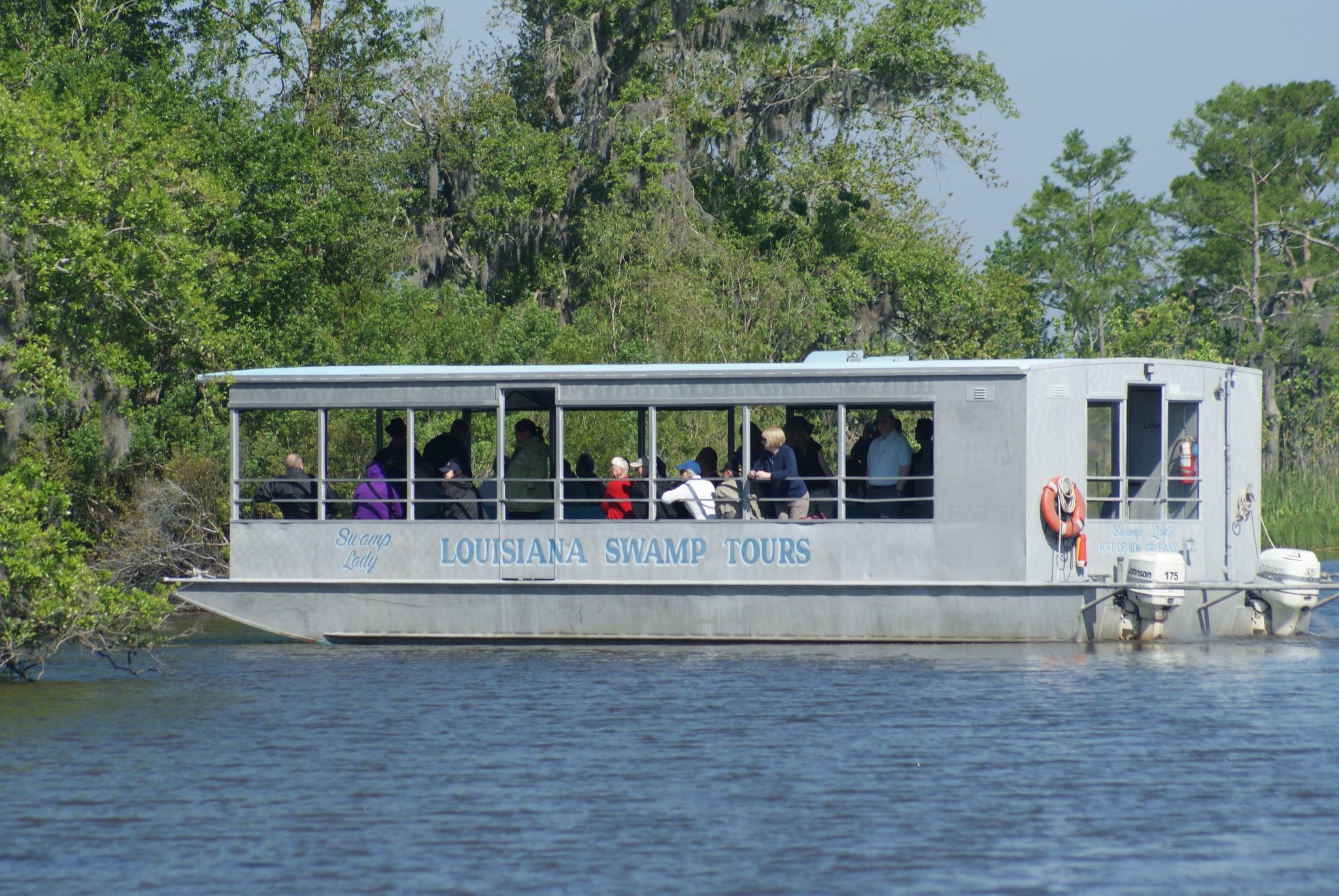
When most people hear “swamp tour,” one thing immediately comes to mind: alligators.
And yes, there are alligators. Plenty of them. They tend to show up right on cue, usually when someone on the boat says, “I hope we actually see one.”
But after years of operating swamp tours in the New Orleans area, one thing has become clear: the swamps offer far more than wildlife sightings. They offer lessons. Real ones. The kind that do not feel like a classroom but somehow stay with people long after the boat docks.
The Louisiana wetlands are living systems. They are not theme parks. They are not movie sets. They are working ecosystems that protect communities, support fisheries, and shape the culture of South Louisiana.
Out on the water, it becomes obvious how interconnected everything is. Bald cypress trees rise from the water with roots that look like sculpture. Spanish moss drapes from branches in a way that feels almost staged. Under the surface, fish move through submerged grasses that stabilize the soil and prevent erosion. Every plant has a job. Every animal has a role.
It does not take long before visitors start asking deeper questions. How does this ecosystem survive hurricanes? Why does the water level change? What causes coastal land loss? The swamp answers those questions quietly, but the story becomes clearer with context.
The wetlands act as natural storm buffers. They absorb energy from hurricanes before that energy reaches populated areas. Marsh grasses slow water movement. Root systems hold soil in place. When land disappears due to erosion or saltwater intrusion, that protective layer weakens. Seeing it firsthand makes the concept real in a way statistics never could.
Of course, wildlife observation remains part of the experience. Alligators, turtles, herons, egrets, and raccoons often make appearances. But the interesting part is not just spotting them. It is understanding how they survive in this environment.
Alligators regulate their body temperature by moving between sun and shade. Birds time migrations around seasonal changes in water levels. Fish rely on marsh nurseries before moving into larger waterways. Once that connection is explained, the swamp stops looking random and starts looking intentional.
Then there is the history.
Long before tour boats moved through these bayous, Native American tribes navigated the waterways for trade and transportation. Later, European settlers followed the same routes. Fishing, trapping, and boat building became ways of life. Entire communities developed around access to water.
The architecture tells part of that story. Homes built on raised foundations. Fishing camps accessible only by boat. Structures designed to adapt to flooding rather than fight it. In Louisiana, people learned to work with the environment instead of against it.
Cajun and Creole traditions grew out of this relationship with the land and water. Food, music, and storytelling all carry influences shaped by the wetlands. When visitors see crab traps stacked near a dock or shrimp boats in the distance, they are looking at pieces of a larger cultural puzzle.
Even the pace of a swamp tour feels different. The city moves fast. The swamp does not. Out on the water, engines hum steadily. The air feels heavier. Sounds carry farther. Conversations slow down. People notice details they might otherwise miss.
It is not unusual for someone who came primarily for photos to end up asking about coastal restoration projects or levee systems. Seeing areas where land has receded makes environmental challenges tangible. Discussions about sediment diversion or marsh rebuilding efforts feel less abstract when surrounded by cypress knees and open water.
There is also a seasonal rhythm to the swamp. Water levels shift. Migratory birds come and go. Vegetation changes with temperature and rainfall. No two tours look exactly the same, even along the same route. The landscape is constantly adjusting.
Operating tours in this environment requires respect. Wildlife interaction must remain responsible. Boats must navigate carefully. The goal is not to disrupt the ecosystem but to interpret it.
And while the educational component matters, the experience is not heavy or overly serious. There is room for humor. There is room for storytelling. There is room for the occasional joke about who sits closest to the edge when an alligator surfaces.
In the end, a swamp tour becomes something more layered than many expect. It is wildlife observation, yes. It is also environmental science, regional history, and cultural exploration wrapped into one boat ride.
In a city known for celebration and storytelling, the swamps provide a quieter narrative. They remind visitors that Louisiana’s identity is tied to water in ways that go back centuries.
And while the alligators may get the headlines, the real story lies in everything around them—the trees, the tides, the traditions, and the resilience of a landscape that continues to shape the region every single day.