
Why Louisiana’s Swamps Are Some of the Best Flood Control Systems Around
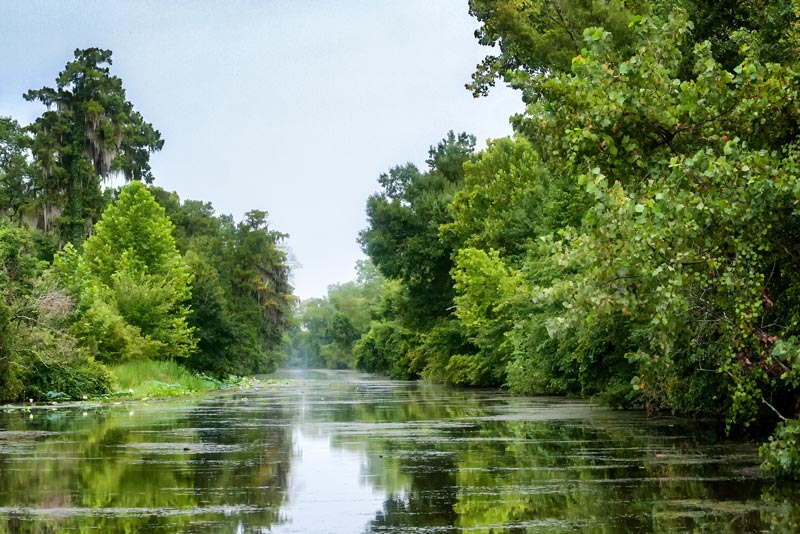
Spend enough time in the swamps of coastal Louisiana and a few things become obvious. The first is that nothing moves quickly out there unless it absolutely has to. The second is that this slow, patient approach to water movement is exactly why swamps do such a good job handling floods.
Swamps are not just scenic backdrops for cypress trees and wildlife. They are working landscapes. Every time heavy rain falls or a storm moves through, swamps quietly go to work doing what they have done for thousands of years… managing water.
One of the simplest ways to understand a swamp is to think of it as a giant sponge. When rain falls, instead of rushing straight into streets, canals, and neighborhoods, water spreads out across the swamp. Trees, grasses, and wetlands absorb that water and hold onto it. This slows everything down and keeps water from piling up all at once.
That delay matters. Flooding becomes much more dangerous when water arrives too quickly. Swamps spread water over a wide area and release it slowly. This helps reduce peak water levels in rivers and drainage systems, giving communities a better chance to stay dry during heavy rain events.
Vegetation plays a big role in this process. Cypress trees, grasses, and aquatic plants create resistance that slows moving water. Roots stabilize soil and prevent erosion, keeping sediment from clogging waterways downstream. Instead of water rushing like it is late for an appointment, it eases its way through the landscape.
Swamps also help reduce storm surge during tropical weather. When surge pushes inland from open water, wetlands absorb wave energy and disperse water across a broader area. That spread reduces surge height and limits how far saltwater travels inland. It is not dramatic or flashy, but it is incredibly effective.
The soil in swamps deserves some credit too. Wetland soils are rich in organic material and hold water far better than compacted ground or paved surfaces. These soils act as storage, keeping water in place until surrounding water levels drop. Once things calm down, water drains slowly back into rivers and canals instead of all at once.
Swamps also help recharge groundwater. As water filters through wetland soil, it replenishes underground aquifers. This process supports long-term water balance and reduces surface runoff. It is another example of swamps working quietly in the background while everything else gets the attention.
Urban development changes how water moves across the land. Roads, parking lots, and buildings create surfaces that water cannot soak into. When rain hits those surfaces, it runs off quickly and overwhelms drainage systems. Swamps help offset that by providing space for water to slow down and settle.
When swamps are removed or disconnected from natural waterways, flooding tends to increase. Water loses its ability to spread out and starts concentrating in fewer places. That concentration raises flood levels and sends water moving faster toward communities. Restoring wetlands helps reverse that process by reconnecting natural flow paths.
Swamps also improve water quality during floods. As water moves through vegetation and soil, sediments and pollutants are filtered out. This natural cleaning process reduces the amount of debris and contamination that ends up in rivers and neighborhoods after storms.
Climate patterns suggest that Louisiana will continue to experience heavy rainfall and tropical weather. Fixed flood control structures have limits. Swamps, on the other hand, adjust naturally. When water rises, they absorb more. When water recedes, they release it. That flexibility makes them especially valuable in a changing environment.
Flood control benefits provided by swamps do not stop at the coast. Inland communities connected to wetland systems also benefit from upstream water storage and slower flow. Louisiana’s waterways are interconnected, which means the health of swamps affects regions far beyond where the trees are standing.
Education plays an important role in protecting these systems. When people understand that swamps help manage floods, support water quality, and protect communities, conservation becomes a practical conversation rather than an abstract one.
Swamps may not look like traditional infrastructure, but they function like it every day. They absorb water, slow floods, and protect communities without ever asking for maintenance budgets or repair crews.
They just do the job… slowly, steadily, and reliably.
And in a place like coastal Louisiana, that kind of quiet reliability is hard to beat.