Why Louisiana’s Swamps Are a Must-Visit for Adventure Seekers in 2026
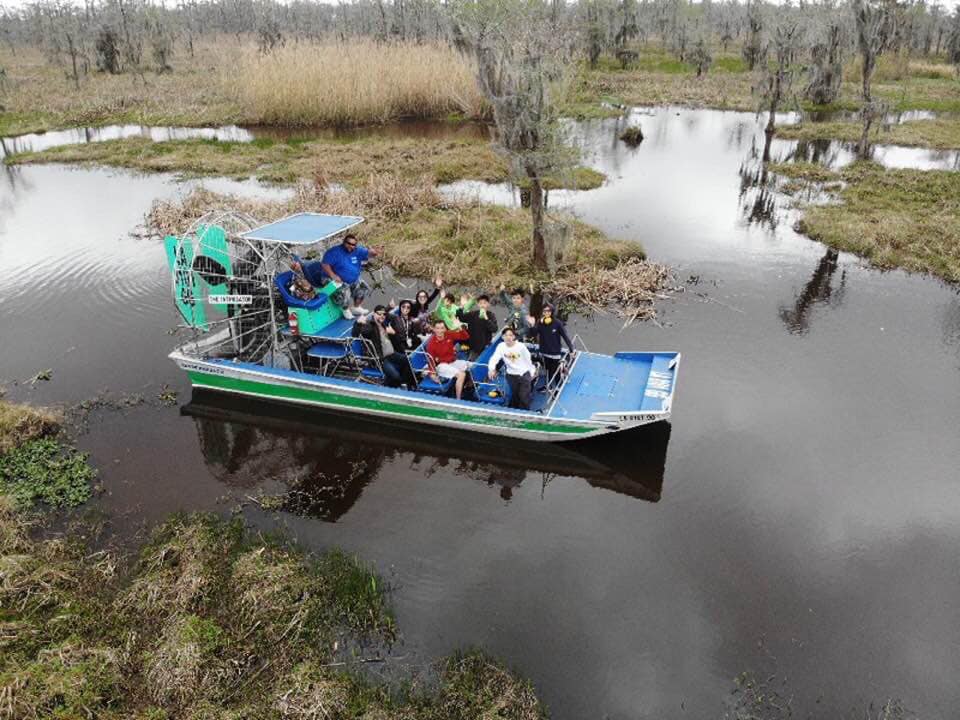
Louisiana’s swamps have a way of changing expectations very quickly. Most people arrive with a mental image shaped by movies, rumors, or a friend who once said something dramatic about alligators. Then the boat eases into the water, the engine hums down, and the swamp starts doing what it has done for centuries … setting its own pace and quietly stealing the show. After years of guiding visitors through these waterways with Louisiana Tour Company, one thing is certain: adventure seekers looking ahead to 2026 are paying closer attention to places that feel real, layered, and unapologetically themselves.
The swamp is not a backdrop. It is an active participant. Cypress trees rise straight out of the water like they forgot gravity was a suggestion. Spanish moss drifts just enough to remind everyone that time moves differently out here. Light changes constantly, reflections shift, and the scenery never looks quite the same twice. That unpredictability is part of the appeal. Adventure does not always need speed. Sometimes it needs silence and patience.
Wildlife observation is a big part of what draws people in, but it is not a checklist experience. Alligators do not work on schedules. Birds do not pose on command. Turtles surface when they feel like it. That uncertainty keeps people alert in a way few environments can. Watching wildlife in its natural habitat creates a connection that feels earned rather than staged. It rewards attention instead of rushing.
Another reason the swamps are gaining traction with adventure travelers is environmental curiosity. Wetlands are finally getting the recognition they deserve for their role in flood control, water filtration, and coastal protection. Seeing these systems up close turns abstract environmental conversations into something tangible. Standing in a swamp makes it very clear that this landscape is doing important work, even when it looks calm.
Culture runs just as deep as the water. Louisiana’s swamps have shaped how people live, eat, build, and tell stories. Generations adapted to these environments, learning when to move, where to settle, and how to coexist with nature rather than fight it. That history shows up everywhere, from architecture to folklore. Exploring the swamp is also exploring the roots of Louisiana itself.
Travel trends heading into 2026 favor experiences over attractions. People want stories, not souvenirs. They want places that feel distinct, not interchangeable. Swamps check those boxes without trying. They are not polished or over-explained. They invite curiosity and reward it quietly. That authenticity resonates with travelers who have grown tired of predictable itineraries.
Technology has also played a role in shining a spotlight on swamp travel. Photos and videos capture the drama of reflections, fog, and towering trees, but they only hint at the depth of the experience. The real impact happens when the sounds change, the air feels different, and the boat slows enough for everything else to come into focus.
Guided access is an important part of responsible exploration. Swamps are not places to wander blindly. Water levels shift, channels change, and wildlife deserves respect. Local knowledge helps visitors experience the environment safely while protecting the ecosystem. Understanding where to go and when to go makes the difference between meaningful exploration and unnecessary disruption.
Seasonal flexibility adds to the appeal. Louisiana’s climate allows swamp exploration during times when other destinations are crowded or inaccessible. Wildlife behavior changes throughout the year, creating new experiences with each visit. This encourages return trips instead of one-and-done sightseeing.
Accessibility without overdevelopment is another reason adventure travelers are paying attention. Swamps offer a sense of remoteness without requiring days of travel. Just outside New Orleans, the environment shifts dramatically. One moment there is city noise, the next there is open water and trees older than most buildings. That contrast adds to the sense of discovery.
Slow travel is becoming more popular for a reason. Constant movement wears people down. Swamp exploration encourages observation instead of urgency. Boats move steadily, conversations soften, and attention shifts outward. That pace allows people to notice details they would otherwise miss.
Education happens naturally in this setting. Ecology, conservation, and history blend together without lectures or displays. Seeing how wetlands function makes the importance of preservation obvious. That awareness tends to stick long after the trip ends.
There is also something refreshing about an adventure that does not rely on adrenaline. The swamp offers intrigue, beauty, and depth without needing harnesses or helmets. It engages curiosity rather than daring.
Looking toward 2026, Louisiana’s swamps stand out as destinations that reward attention, patience, and openness. They offer adventure without exaggeration and authenticity without effort. A visit does not try to impress. It simply exists, confident that those who take the time to experience it will leave with a story worth telling … and probably a much better understanding of why this landscape has always mattered.