Why Louisiana Marshes and Swamps Form One of North America’s Most Unique Ecosystems
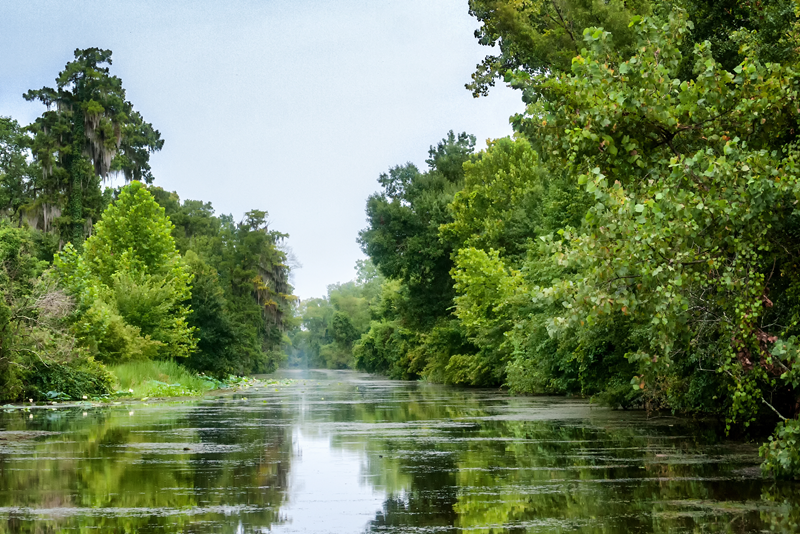
Anyone who has spent time exploring the marshes and swamps of Louisiana quickly realizes that this landscape is unlike just about anywhere else in North America. The scenery looks different, the wildlife behaves differently, and the entire environment feels alive in ways that are difficult to describe until seen firsthand.
From a distance, a swamp might look like a quiet stretch of water with a few trees rising out of it. Once closer, the details begin to reveal themselves. Cypress trees stretch upward with wide bases that look like natural pillars holding them in place. Their roots spread into the water while cypress knees poke up around the trunks like wooden sculptures rising from the mud.
Those trees are not just part of the scenery. They are part of a living system that has been shaped by water, sediment, and time.
Louisiana’s marshes and swamps exist because of the Mississippi River and the Gulf of Mexico working together over thousands of years. The Mississippi carries enormous amounts of sediment southward through the heart of the country. When that sediment reaches the coastal region of Louisiana, it begins to settle and slowly form new land.
Over time, plants take root in that new sediment. Grasses spread across shallow water areas. Trees grow in freshwater swamps. Organic matter builds layer by layer, gradually forming the rich soil that supports the wetland ecosystem.
The result is a landscape that constantly changes. Channels shift. Small islands appear. Marsh grasses expand across shallow flats. What might look like a still environment is actually one of the most dynamic ecosystems in the country.
One of the reasons Louisiana wetlands are so unique is the incredible variety of life that lives there. The food chain begins with marsh grasses and aquatic plants that grow in shallow water. These plants support insects, fish, and small crustaceans. Those creatures attract birds, reptiles, and larger fish. Eventually, the ecosystem supports animals like alligators, raccoons, turtles, and countless species of birds.
A single stretch of marsh might host dozens of species interacting at the same time.
Birdlife alone can keep a person busy for hours. Egrets move slowly through the water searching for fish. Herons stand perfectly still until the moment they strike. Ospreys circle overhead looking for their next meal. During migration seasons, large flocks of waterfowl pass through wetlands along the Mississippi Flyway.
The marsh becomes a rest stop for birds traveling thousands of miles.
Then there are the alligators. Few animals represent Louisiana swamps more clearly than the American alligator. These reptiles thrive in warm wetland environments where fresh and brackish water meet. Despite their intimidating appearance, alligators spend most of their time quietly floating through the water or resting along the banks.
Watching one glide through a channel with barely a ripple on the surface always reminds visitors that the swamp operates on its own pace.
Another reason these wetlands stand out is the way they interact with water movement. Marshes and swamps act like giant natural sponges. When heavy rain falls or rivers swell, wetlands absorb large amounts of water and release it slowly over time.
This natural storage system helps manage flooding and stabilizes water levels across coastal regions.
Wetlands also help filter water. As water moves through marsh grasses and organic soil layers, sediment settles and certain nutrients get absorbed by plant life. By the time that water reaches larger coastal systems, it has passed through a natural filtration process created entirely by the ecosystem itself.
Storm protection is another benefit of Louisiana marshes. Wetlands create natural buffers that help reduce wave energy during major storms. Dense vegetation and shallow water slow down storm surge as it moves inland. Each mile of marsh helps reduce the strength of waves before they reach communities further inland.
These natural defenses are one reason wetland conservation has become such an important topic along the Gulf Coast.
Of course, part of what makes the Louisiana swamp memorable is simply the atmosphere. Early morning in the marsh feels almost peaceful enough to forget how busy the city is just a few miles away. Mist rises from the water as the sun comes up. Birds begin calling from the trees. The water reflects everything like a mirror.
Then somewhere in the distance, a splash breaks the quiet and reminds everyone that the swamp never really sleeps.
Even the plants play a role in shaping the personality of the wetlands. Spanish moss hanging from cypress branches adds a dramatic look to the forest canopy. Marsh grasses bend with the wind and tide, creating waves of movement across shallow water.
Everything in the swamp seems connected.
Visitors often expect the swamp to feel mysterious or intimidating, but the experience tends to surprise people. Once the ecosystem starts revealing itself, the environment begins to feel more like a living classroom than a wilderness.
Every turn of a waterway offers something new to observe.
One moment might involve watching an alligator resting along the bank. The next might involve spotting a turtle sunning itself on a fallen log. A few minutes later a great blue heron may glide across the channel like it owns the place.
In a way, it probably does.
Louisiana’s marshes and swamps are not just scenic landscapes. They are working ecosystems that support wildlife, manage water, and protect coastal communities. Their value extends far beyond their natural beauty.
At the same time, they remain one of the most fascinating environments in North America to explore.
Every trip into the wetlands reveals something different. A new bird species, a hidden channel, a young alligator drifting quietly past the boat. The swamp never really repeats itself.
That unpredictability is part of what makes the ecosystem so remarkable. In Louisiana’s marshes and swamps, nature always seems to have another surprise waiting just around the bend.