Why Licensed Captains and Guides Are Used in Swamp Tour Operations
A swamp looks peaceful from a distance.
Calm water… cypress trees… maybe an alligator doing absolutely nothing except floating there like it owns the place. It gives off the impression that not much is going on.
That impression lasts right up until a boat starts moving through it.
Because underneath that calm surface is a maze. Twisting waterways, changing depths, hidden stumps, shifting currents, and wildlife that doesn’t exactly follow a schedule. It’s not the kind of place where someone can just hop in a boat, point forward, and hope for the best.
That’s where licensed captains and experienced guides come in.
Running a swamp tour isn’t just about driving a boat. It’s about knowing the water… and the parts of the water that aren’t obvious.
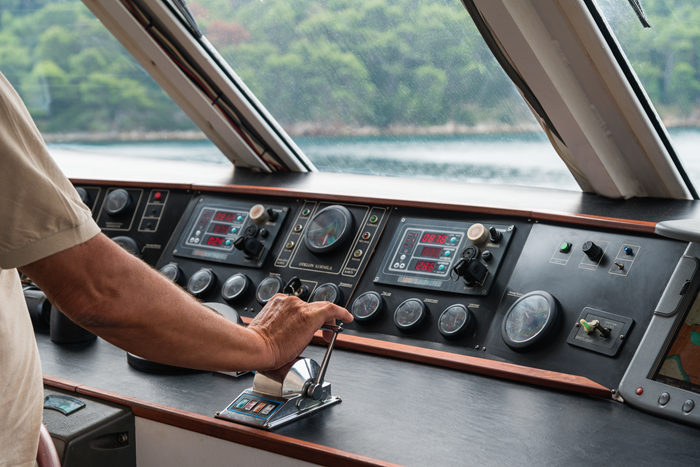
A licensed captain has training behind that wheel. Not just basic operation, but navigation, safety procedures, and how to handle situations when things don’t go exactly as planned. Because out in the swamp, things don’t always go exactly as planned.
Water levels change.
Weather shifts.
A route that worked yesterday might not be the best option today.
A captain has to read those conditions in real time and adjust accordingly. That’s not guesswork—that’s experience backed by training.
And then there’s the layout of the swamp itself.
It’s easy to underestimate how quickly everything can start to look the same. One turn looks like the next, and before long, it becomes clear that having a sense of direction out there is a lot more important than it seemed at the dock.
Knowing where to go—and just as importantly, where not to go—is part of the job.
Then comes the guide.
If the captain handles the navigation, the guide handles the story.
Because without context, a swamp is just trees and water. With the right knowledge, it becomes something else entirely.
That bird overhead isn’t just a bird. That stretch of water isn’t just a stretch of water. There’s history, behavior, and patterns tied into everything out there.
A guide connects those dots.
They explain what’s being seen, why it matters, and how it all fits together. Wildlife behavior, plant life, ecosystem balance—it all becomes part of the experience instead of just background scenery.
And let’s be honest… spotting an alligator is one thing.
Understanding what that alligator is doing—and why it’s doing it—makes it a whole lot more interesting.
There’s also a safety element that comes into play with wildlife.
Animals in the swamp aren’t part of a theme park. They’re not there for entertainment, and they’re not following a script. A trained guide understands how to observe without interfering, how to maintain distance, and how to keep interactions respectful and controlled.
That balance is important.
It keeps both the passengers and the environment protected.
Because while an alligator might look like it’s just relaxing… it’s still an alligator.
Safety, overall, is the thread that runs through everything.
Before a tour even leaves the dock, there are procedures in place. Life jackets, boarding instructions, seating arrangements—all of it is part of making sure the trip runs smoothly.
Once underway, that attention doesn’t go away.
Conditions are monitored. Passengers are accounted for. The route is adjusted if needed. It’s a constant process, not a one-time checklist.
Maintenance plays a role too.
Boats used for swamp tours aren’t just sitting in a marina looking pretty. They’re working. That means engines, hulls, and equipment all need to be kept in proper condition.
Because out in the swamp, reliability isn’t optional.
It’s expected.
There’s also a timing aspect to consider.
The swamp doesn’t operate on a fixed schedule, but tours still have to run on one. That means planning routes, managing group sizes, and making sure everything lines up so that passengers get a full experience without feeling rushed—or stuck out there longer than intended.
It’s a balancing act.
Then there’s the part that most people don’t think about… unpredictability.
No two tours are exactly the same.
Wildlife might be more active one day than another. Weather might change mid-trip. Something unexpected might appear around the next bend.
That’s part of what makes it interesting.
But it also means the people running the tour have to be ready for anything.
A licensed captain and an experienced guide bring that readiness to the table. They’ve seen enough to know how to handle the unexpected without turning it into a problem.
At the end of the day, swamp tours are about more than just being on the water.
They’re about experiencing an environment that most people don’t interact with on a regular basis. Doing that safely, responsibly, and with a clear understanding of what’s happening around you takes more than just a boat.
It takes knowledge.
It takes preparation.
And it takes people who know the difference between a calm-looking swamp… and what’s actually going on beneath the surface.
Because the goal isn’t just to take a ride.
It’s to come back with a better understanding of what was just experienced… and maybe a healthy respect for anything with scales and a very relaxed attitude.