
Louisiana’s Swamps Never Go Out of Style—and There’s a Good Reason for That
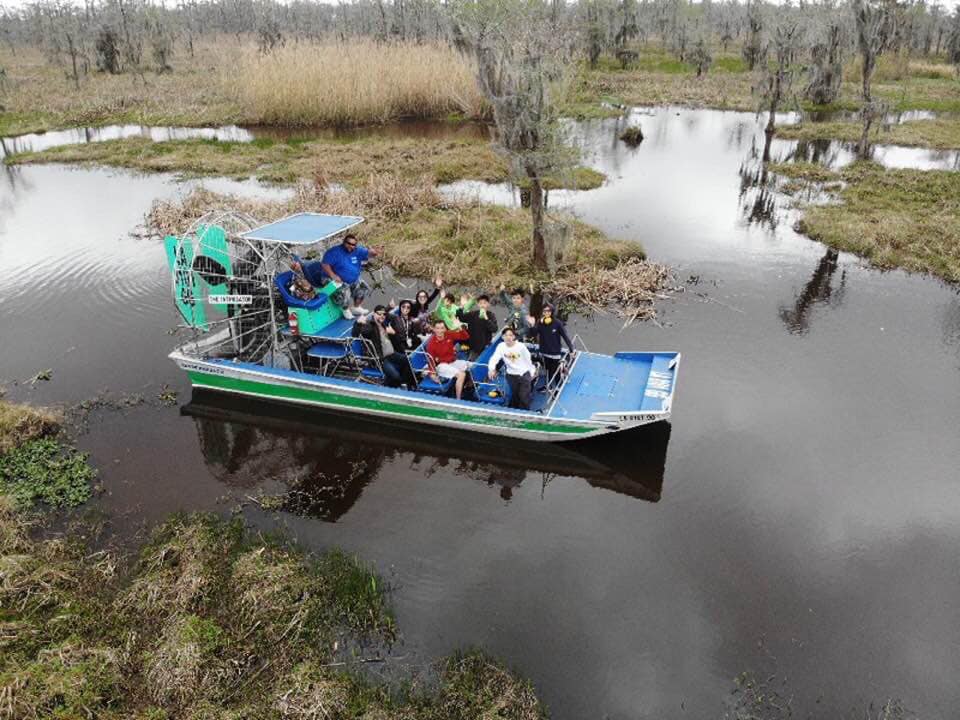
Ask someone to picture Louisiana, and chances are the first image that comes to mind isn’t a skyscraper or a busy highway.
It’s a swamp.
- Towering cypress trees.
- Spanish moss hanging from the branches.
- Still water reflecting the sky.
Maybe an alligator floating nearby with only its eyes above the surface.
It’s a landscape that’s instantly recognizable, and after spending years introducing visitors to the swamps around New Orleans, I can honestly say there’s nothing quite like watching someone experience it for the first time.
Photos do a decent job. Movies make them look mysterious.
But neither one captures what it’s actually like to be there.
One of the things people notice almost immediately is how peaceful everything feels.
The sounds of traffic disappear.
Instead, there’s the breeze moving through the trees, birds calling from the marsh, the occasional splash somewhere in the distance, and water gently moving beneath the boat.
- It’s a different pace
- Life slows down a little.
That may be one reason so many people leave the swamp saying it was one of their favorite parts of visiting Louisiana.
The scenery certainly helps.
Bald cypress trees have become one of the defining images of the state. Some of these trees have stood for generations, growing in water that changes with the seasons but never seems to rush anywhere.
Their large trunks, unusual root systems, and moss-covered branches create a setting that looks almost timeless.
Every season offers something different.
- Spring brings fresh green leaves and plenty of wildlife activity.
- Summer fills the wetlands with thick vegetation and active reptiles.
- Fall introduces warm colors that many visitors don’t expect to see in south Louisiana.
- Winter strips back some of the foliage, making it easier to spot birds and other wildlife hidden deeper in the swamp.
No two tours ever look exactly the same. Of course, wildlife is one of the biggest reasons people visit.
Alligators usually steal the spotlight, and for good reason.
They’re fascinating animals that have lived in these wetlands for millions of years.
Despite what Hollywood sometimes suggests, most alligators spend a surprising amount of time simply relaxing in the sun or quietly drifting through the water.
They’re remarkably efficient at conserving energy.
If humans adopted that strategy on Monday mornings, office attendance might look a little different.
Beyond alligators, the swamps support an incredible variety of wildlife.
- Great blue herons stalk fish along the shoreline.
- Snowy egrets glide across the marsh.
- Turtles line up on old logs like they’re attending a family reunion.
Occasionally an owl appears tucked into the trees, quietly observing everything happening below.
River otters sometimes make surprise appearances, and if one decides to put on a show, it’s usually one of the highlights of the day.
The variety surprises many visitors. People often expect to see one or two animals.
Instead, they discover an entire ecosystem that’s constantly changing.
The swamps also tell an important story about Louisiana itself.
These waterways helped shape communities long before highways connected the region.
- Native Americans traveled these waters.
- Early settlers built lives around them.
- Fishing, trapping, crabbing, crawfishing, hunting, and boat building all became closely connected to these wetlands.
Even today, many traditions throughout south Louisiana remain deeply tied to the bayous and swamps.
The landscape isn’t just beautiful. It’s part of the state’s history.
Another thing I enjoy pointing out during tours is how important these wetlands remain today.
Swamps provide habitat for countless species of wildlife.
- They help manage floodwaters during heavy rains.
- They contribute to water quality and play an important role in protecting Louisiana’s coastal environment.
- They’re working landscapes, not just scenic ones.
Visitors often arrive expecting a sightseeing trip. Many leave with a greater appreciation for how valuable these ecosystems really are.
Photography has also become a major part of the swamp experience.
It’s difficult to take a bad picture when sunlight filters through Spanish moss and reflects across calm water.
- Morning light creates one atmosphere.
- Late afternoon creates another.
- Cloudy days have their own beauty.
- Every trip offers something different.
Sometimes the most memorable moments aren’t the dramatic ones.
It’s a turtle stretching across a log.
A heron taking flight. A family of ducks weaving through the lilies.
The quiet moments have a way of staying with people long after the tour ends.
That’s probably one reason so many visitors return.
The swamp never feels exactly the same twice.
- Water levels change.
- Wildlife moves.
- Seasons shift.
Nature writes a different story every single day.
One question I hear fairly often is whether Louisiana’s swamps really look like they do in the movies.
The answer is yes…
Well, mostly.
Hollywood occasionally adds a little extra fog, dramatic music, and perhaps an alligator that’s about the size of a school bus.
Real life is a little less dramatic.
Fortunately.
The actual experience is much more relaxing than most movies would have anyone believe.
At Louisiana Tour Company, introducing visitors to these wetlands has always been about more than simply showing wildlife. It’s an opportunity to share the natural beauty, history, culture, and environmental importance that make south Louisiana unlike anywhere else.
Every tour becomes a chance to tell the story of the region through the landscape itself.
People arrive expecting to see alligators. They certainly hope to spot a few.
But by the end of the trip, many discover that the swamp is about much more than one famous reptile.
- It’s about towering cypress forests that have stood for generations.
- It’s about wildlife thriving in its natural habitat.
- It’s about waterways that helped shape an entire culture.
- It’s about slowing down long enough to notice details that often get overlooked in everyday life.
Louisiana has plenty of famous attractions, incredible food, unforgettable music, and rich history.
The swamps tie all of those things together.
They’re one of the state’s most recognizable landscapes because they represent something uniquely Louisiana.
And once someone experiences them in person, it’s easy to understand why they’ve captured people’s imagination for generations.