
From Cypress Trees to Spanish Moss: The Botanical Wonders of Louisiana’s Wetlands
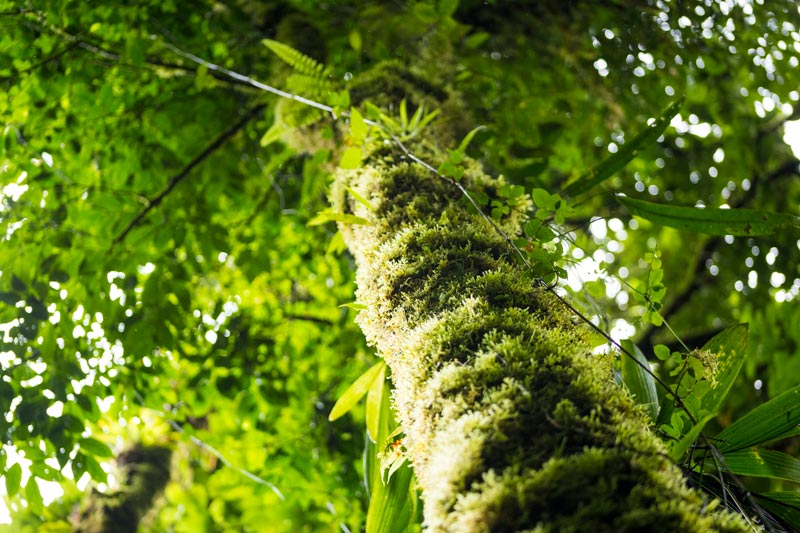
Every day out on the water brings a new reason to appreciate Louisiana’s wetlands. Some visitors step onto a boat thinking they’re just going to see an alligator or maybe a turtle sunbathing like it has no responsibilities in life. But before long, the trees, plants, and moss take over the spotlight. The swamp has a way of showing off, and most of that personality comes from the plants that have been growing here since long before anyone ever thought about building a road or seasoning a pot of gumbo.
The bald cypress is the first thing that grabs attention. These trees seem to rise straight out of the water like they own the place, and honestly, they kind of do. With roots anchored deep into mud and water, they’ve mastered the art of staying upright no matter what the weather brings. Hurricanes push most trees around, but the cypress stands there calmly, as if saying it’s seen worse. And then there are the knees—those little humps poking up out of the water. Nobody fully agrees on what they do, but they make great conversation starters and add to the swamp’s personality.
Next comes the Spanish moss, hanging off branches like the swamp’s version of festive decorations. This plant doesn’t need soil; it simply drapes itself over whatever tree offers the best view. It pulls water and nutrients straight from the air, which means it’s basically the low-maintenance houseplant everyone dreams of having. Whether drifting in the breeze or glowing in the sunrise, Spanish moss gives the swamp that otherworldly look people remember long after the boat ride ends.
The wetlands are full of plants working quietly in the background to keep everything running smoothly. Palmettos form thick green clusters along the water’s edge, giving small animals a place to hide and large animals a place to surprise anyone walking too close. Swamp maples add color during the cooler seasons, turning bright red before dropping leaves into the water like they’re contributing to the décor. Thick mats of duckweed cover calm surfaces, giving the illusion of solid ground—an illusion best admired from a boat unless someone enjoys unexpected swimming.
Vines twist through the trees, sometimes so thick it’s hard to tell where one plant ends and another begins. Wild grapevines, greenbrier, and other climbers weave themselves into the landscape, forming natural tunnels and sometimes giving the impression that the swamp is actively trying to reclaim the boat as part of the scenery. These vines give small creatures pathways through the canopy while also keeping the place looking like a set from a jungle adventure film.
The plants aren’t just pretty; they help the swamp function as one big interconnected system. Cypress roots help stabilize the soil, which keeps erosion from sending the whole place drifting into Lake Pontchartrain. Floating plants slow the movement of water, giving fish and frogs a calm place to gather. Dense vegetation filters runoff before it reaches bigger bodies of water. Together, the plants form a natural defense system that works around the clock without asking for overtime pay.
One of the most misunderstood features of the swamp is the way it changes with the seasons. Spring brings new growth that seems to appear overnight. Summer fills every inch of space with thick greenery, making some areas feel like nature got carried away. Fall brings out colors from trees that normally prefer to hide their artistic side. Winter strips some leaves away, revealing the true shapes of the cypress and letting visitors see deeper into the landscape. No matter the time of year, the wetlands always find a way to perform a little magic trick.
These botanical wonders also support the wildlife people come to see. Alligators choose nesting spots in vegetation that offers warmth and safety. Birds weave Spanish moss and small twigs into nests that sway gently above the water. Fish use submerged plants as nurseries, while raccoons and otters treat the thick vegetation like an all-terrain playground. Without the plants, the swamp wouldn’t have the rhythm or life that makes it such a memorable place to visit.
Guiding visitors through these ecosystems has shown how many people arrive expecting a simple tour and leave feeling connected to something much bigger. The plants tell the real story of the wetlands—the resilience, the history, the balance, and yes, the occasional sense of humor that nature seems to have developed from dealing with curious tourists for so many years.
Cypress trees stand firm, Spanish moss drifts softly, and every plant from the smallest vine to the tallest canopy plays a role in keeping the wetlands alive. These ecosystems reflect centuries of adaptation, growth, and cooperation among the species that live there. For anyone traveling through the New Orleans area, seeing this plant life up close adds depth to the experience of visiting the swamp. It turns a sightseeing trip into a lesson in how nature builds, protects, and sustains itself.
Louisiana’s wetlands hold an entire botanical world that thrives just outside the city limits. With every tour, another group of visitors gets a chance to see the landscape from the perspective of the plants that define it. And seeing the swamp that way—one tree, one moss-covered branch, one floating leaf at a time—makes the whole place feel even more alive.