
Behind the Scenes: How Louisiana’s Swamp Ecosystem Changes With Each Season
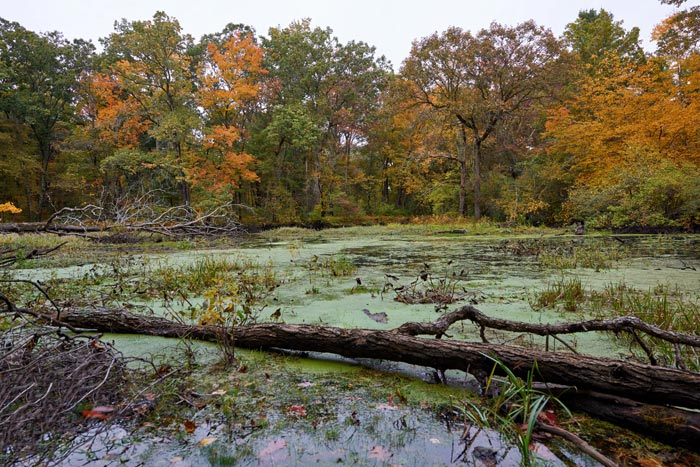
Spend enough time in Louisiana’s swamps and one thing becomes very clear… the swamp never stays the same. It just looks like it does if someone only sees it once. From season to season, the ecosystem shifts constantly, sometimes dramatically, sometimes so subtly that the changes feel more like a mood than a makeover.
Spring is when the swamp wakes up and stretches. Water levels rise with seasonal rain, and suddenly everything looks fuller, greener, and more alive. Cypress knees disappear beneath the surface, aquatic plants start spreading like they’ve been waiting all winter for permission, and the entire food chain gets busier. Insects multiply, fish move into newly flooded areas, and amphibians decide it’s time to make as much noise as possible.
Wildlife activity ramps up fast. Birds return from migration routes and immediately start acting like they own the place. Nests appear where there were none a few weeks earlier. Frogs turn the evenings into a concert nobody asked for but everyone notices. Reptiles emerge from cooler months ready to reclaim their favorite sunning spots. Spring doesn’t ease in quietly… it announces itself.
Summer shifts the energy but doesn’t slow it down. Water levels stabilize, sunlight becomes relentless, and plant growth hits full stride. Vegetation thickens above and below the waterline, creating shade, shelter, and a buffet for everything that eats or gets eaten. Photosynthesis runs at full speed, fueling the entire ecosystem.
Heat changes behavior. Animals adjust their schedules, becoming more active early in the morning or later in the evening. Alligators manage body temperature by moving between warm banks and cooler water like seasoned professionals. Birds hunt from shaded perches. Even fish reposition based on water temperature and oxygen levels. The swamp doesn’t shut down in summer… it just works smarter.
Fall is when the swamp starts rearranging itself again. Water levels often drop as rainfall patterns change. Plant growth slows, and deciduous vegetation sheds leaves into the water. That falling plant matter isn’t waste… it’s fuel. Decomposing leaves feed microorganisms, insects, and everything further up the food chain.
Fall also brings movement. Migratory birds pass through, using the swamp as a rest stop and grocery store. Fish adjust to changing depths. Reptiles begin reducing activity as temperatures cool. The swamp feels different in fall… quieter, but not inactive. It’s more like the system is reorganizing rather than slowing down.
Winter gives the swamp its calm reputation. Cooler temperatures reduce visible activity, and many animals become less obvious. Some species enter periods of dormancy. Others simply move less and conserve energy. Plant growth slows above ground, but root systems stay busy stabilizing soil and filtering water.
Despite appearances, winter isn’t a dead season. It’s a reset. Organic material continues breaking down, enriching sediments and preparing the swamp for the next cycle. Water chemistry changes, oxygen levels shift, and habitats quietly recover from the demands of warmer months. The swamp uses winter to catch its breath.
Seasonal change affects more than plants and animals. Water quality shifts throughout the year. Temperature, nutrient levels, and oxygen content fluctuate, creating different microhabitats within the same stretch of water. These variations support biodiversity by allowing different species to thrive at different times.
At Louisiana Tour Company, observing these seasonal patterns never gets old. A swamp tour in spring feels nothing like a tour in summer, fall, or winter. The landscape might look familiar, but the behavior, sounds, and rhythms change constantly. Anyone expecting a static environment usually changes that opinion pretty quickly.
Climate patterns influence these seasonal cycles as well. Extended droughts, heavier rainfall, or shifting temperatures can alter timing and intensity. The swamp adapts, but those adaptations tell a story about larger environmental changes happening across the region.
What makes the swamp special isn’t just the wildlife or the scenery. It’s the system itself. Everything is connected. Water levels influence plants. Plants influence insects. Insects influence fish. Fish influence birds and reptiles. Each season tweaks one part of the chain, and the rest responds accordingly.
The swamp doesn’t rush. It doesn’t resist change. It adjusts. That’s why it’s lasted as long as it has. Seasonal variation isn’t a disruption… it’s the operating system.
Anyone who sees Louisiana’s swamps as dark, stagnant places is missing the point. These wetlands are dynamic, responsive, and constantly evolving. Every season brings a different version of the same ecosystem, each one doing exactly what it needs to do to keep everything else going.
Spend enough time out there and it becomes obvious… the swamp is never standing still. It’s just very good at making change look effortless.